Transhumanism is, nominally, a pretty fringe ideology. There are a handful of mildly (in)famous transhumanists, including Bryan Johnson, Martine Rothblatt, Zoltan Istvan, and Elon Musk, although Musk’s transhumanist ventures are relatively obscure (Neuralink certainly doesn’t make the same headlines as SpaceX, Tesla, or X nee Twitter). There are a couple of big events that are publicly transhumanist, such as the Enhanced games, and most people are aware of what it is, but the average person probably wouldn’t be able to name a person they know personally that describes themself as a transhumanist.
Transhumanism has also had a fair amount of media coverage, usually in a somewhat negative light. Biohacking enthusiasts are treated as strange, mentally-unstable outsiders or as yuppie nootropic enthusiasts. Elon Musk’s Neuralink is seen as creepy and unnatural.
The media’s iconic transhumanist is, perhaps, someone like Martine Rothblatt. She’s middle aged, wealthy, and highly-educated. She lives a slightly unusual lifestyle, as a transgender woman in a lesbian relationship, and she funds a number of rather unusual political and religious causes. She also runs a new religious movement promising eternal life, which has created a number of uncanny AI simulacra of its members, beamed detailed records of their lives into space (for reconstruction by alien civilizations), and promotes the creation of anti-aging nanotechnology. She believes in a coming singullarity. Rothblatt wasn’t the first to create an AI chatbot to imitate a person. Ray Kurzweil has been working on resurrecting his deceased father via similar technologies for decades. Her beliefs aren’t that weird, and I think that her sexual and gender identity should not be treated as shocking. But they are extremely fitting with the public perception of transhumanism.
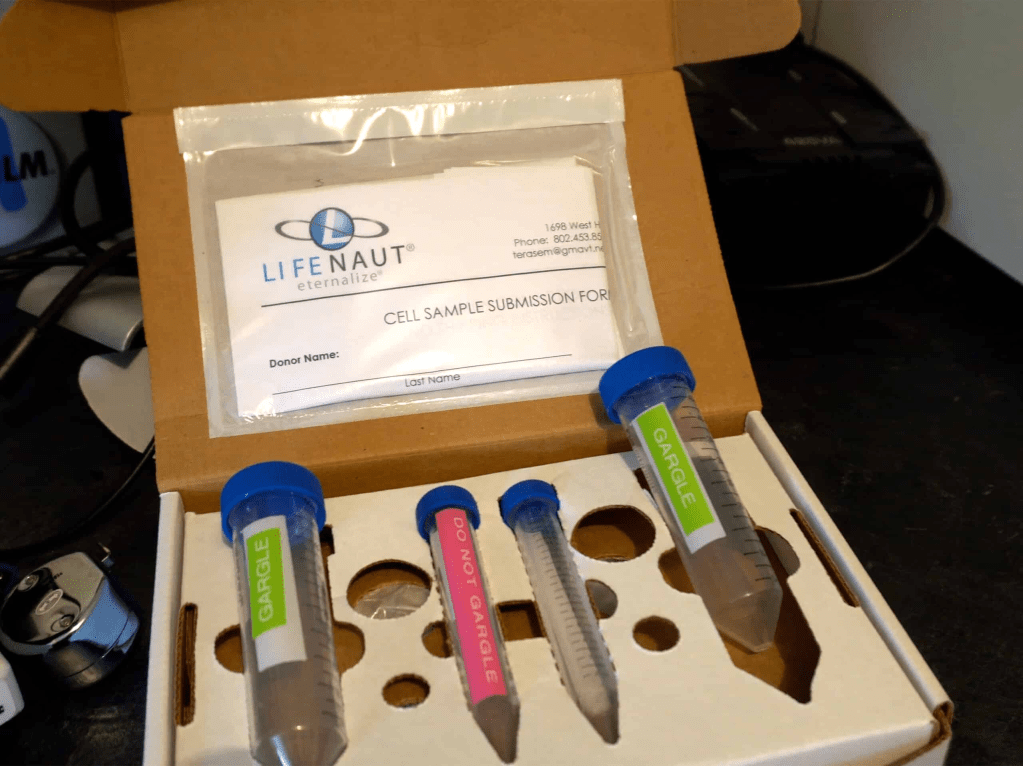
I recently watched the The Fall of the House of Usher, a horror miniseries about the deaths of an extremely powerful family at the hands of a supernatural force that they made a deal with: fame and fortune, in exchange for the deaths of everyone. To attempt to avoid this fate, the family’s powerful matriarch puts significant resources into developing a system that can replicate a person after they answer an extensive questionnaire, similar to the Lifenaut questionnaires used by Rothblatt’s organization in real life or Kurzweil’s techniques using his father’s collected writings and life story.
For most people, however, these lofty ideas of brain uploading are distant and esoteric, even if the proliferation of AI chatbots has made some related concepts more commonplace in public consciousness. Overall, people don’t think that much about transhumanism.
Despite this, we are living in a distinctly transhuman world. It is possible we always have been.
Transhumanism is, at its base, about using technology to enhance the human condition. That’s pretty vague, so we could tighten our definition slightly by saying that transhumanism is about integrating technology with human biology and psychology to enhance the human condition. And I believe that this definition applies to a massive percentage of the world population.

There are a lot of small transhumanisms that have been going on for centuries. Vaccination was first invented at the end of the 18th Century, which enhances human disease resistance with technological integration, by modifying the immune system. Cosmetic body modifications have been in use probably for all of human history, as evidenced by the tattoos and piercings on Ötzi (a 5000 year old body that was preserved in ice), ancient skull-shaping techniques, and evidence of cosmetic scarification on ancient Egyptian mummies. People have also used prosthetics of varying degrees of sophistication to reduce the disability from permanent injuries as early as ancient Egypt.
Of course, these things are not what transhumanists mean when they talk about human enhancement. Transhumanists want fully-robotic, superstrong, immortal and perfectly healthy bodies. Ray Kurzweil doesn’t have pierced ears, and I don’t believe that he has tattoos, either.
But it would be a mistake to strongly distinguish these cosmetic and low-tech alterations of the body from more advanced technological modifications of the human body. The purpose of many cosmetic procedures has been to set people apart from the rest humanity, such as Chinese footbinding that established that a woman did not need to (and could not) do manual labor, or skull-binding that was used to elongate the heads of individuals to show status or membership in a culture. Scarification and tattoos have been used (and are still used) to indicate membership in a group as well, serving a practical purpose in addition to their social role, distinguishing someone from the general human population.
According to Wikipedia, piercings and scarification can also be used to enhance (or prevent) sexual pleasure, while circumcision has not only religious and aesthetic significance, but can also reduce the incidence of some diseases. When thinking of the transhuman space-explorer who has their organs replaced with synthetic analogues to allow for life in high-radiation environments, we might also think of the 20th Century practice of preventative removing the appendices of people going to work in remote places.
Modern cosmetic surgeries certainly rise to the level of transhumanism. To quote Adam Geczy and Vicki Karaminas, “the perfected body in which perfectibility and youth is an endlessly flowing sequence with no end, is embroiled in the flow of capital. The body becomes more and more machine: and the procedures are referred to as ‘maintenance’. One maintains one’s body as one does one’s car.” I will talk about this quote more later.
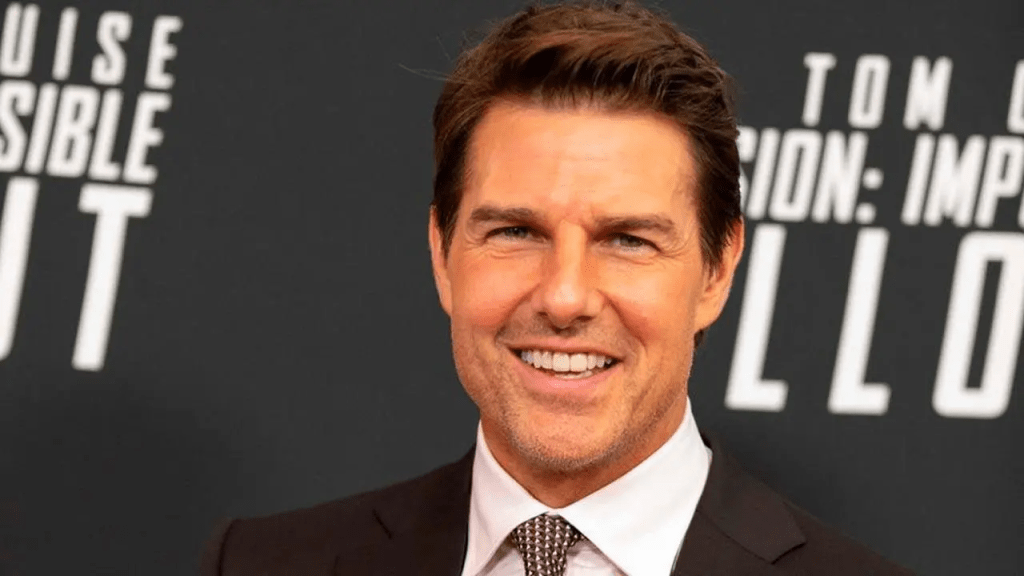
Look at Tom Cruise. It is unlikely that he has taken any steps to radically extend his life, but his youthful appearance is famous, and the result of extensive plastic surgery. He has enhanced his natural capabilities extensively and far beyond that of any ordinary human being, and at the age of 64 looks as if he is only just barely entering middle age. This sort of modification is common for the famous people of our world, such as the heavily-augmented Kardashians. These practices are even more common in some societies, such as South Korea, where a certain level of cosmetic surgery is expected from members of the general public.
We also see similar transhuman modifications of the human body in use with the general public. To lose weight, people have it surgically removed from their body. They have their stomachs shrunk, to reduce their feelings of hunger, and they modulate their ability to feel hunger with synthetic hormones. Many transgender people modify their bodies with sex hormones to match their gender identity, and receive surgeries that alter their anatomy more radically. Even if these modifications exist within the spectrum of human experience, they still involve the technological modification of the body’s functioning to enhance its use for the body’s owner.
Of course, one might argue that these procedures are cosmetic, although they do have significant benefits for people in their everyday lives, and many people work in professions that rely on their appearances. Do we modify our bodies for practical purposes?
Certainly. The human body does have some faculties for modifying itself. Working hands develop calluses, muscles grow with exercise, bones gain density, joints and tendons strengthen themselves, and the mind develops new connections. Like any living thing, our bodies are in constant flux. But people do modify themselves for practical purposes.
If we count pharmaceuticals, this is common. People take steroids and doping agents to perform better in sports. We drink coffee to wake up in the morning, and alcohol to facilitate our social interactions. People smoke weed to relax, and do acid to seek god, and take amphetamines to stay alert. These practices are also ancient– caffeine, alcohol, marijuana, and natural hallucinogens have been in use for all of recorded history, although their most modern forms of intake are often more recent. Are these practices transhuman? They allow us to do things that we could not do otherwise. They enhance our capabilities.

Purely medicinal drugs are probably transhuman in nature as well. Asthmatics are able to overcome their natural human limitations with a dose of albuterol. Antidepressants, anxiolytics, and antipsychotics overcome the mind’s limitations, while supplemental hormones can account for body-wide limitations.
Certainly, these drugs are only intended to return someone to ordinary human functioning, ordinary human function is a largely social concept. What normal functioning looks like varies from person to person. Elite-level athletes often have genetic abnormalities that allow them to recover faster, train harder, or perform better, and being reduced to “normal” would be a medical disability for them. I, personally, suffer from rather annoying seasonal allergies, and would not be able to function outdoors at a baseline level without the help of medication. But those same medications also keep my nose from running in some conditions where it normally would. It is an extremely minor transhuman enhancement.
It is explicitly outside the bounds of conventional medicine to enhance a person’s capabilities beyond the levels of ordinary functioning, but over time these boundaries have broken down more and more. People are prescribed anabolic steroids to “enhance” themselves above what would otherwise be possible, perhaps by unscrupulous doctors, or perhaps by doctors that in the future will be seen as ahead of the curve, although I don’t think that steroid use’s benefits outweigh the downsides in otherwise heatlhy people.
More seriously, it’s difficult to strongly separate people from the objects around them. Our behavior is modified by our clothing, our capabilities are modified by the tools that we have. And these capabilities, in turns, inform our biology. I have bad posture because I read and spend a lot of time on the computer. The bodies of English longbowmen can be identified due to the structural changes to their skeleton needed to accommodate their weapon of choice. To take a longer view, the human digestive system and body were evolved in a technological context; our pre-human ancestors were able to use tools, and that tool access shaped the further evolution of human physiology, such as the development of more complex hands and the use of fire allowing for larger brain sizes.
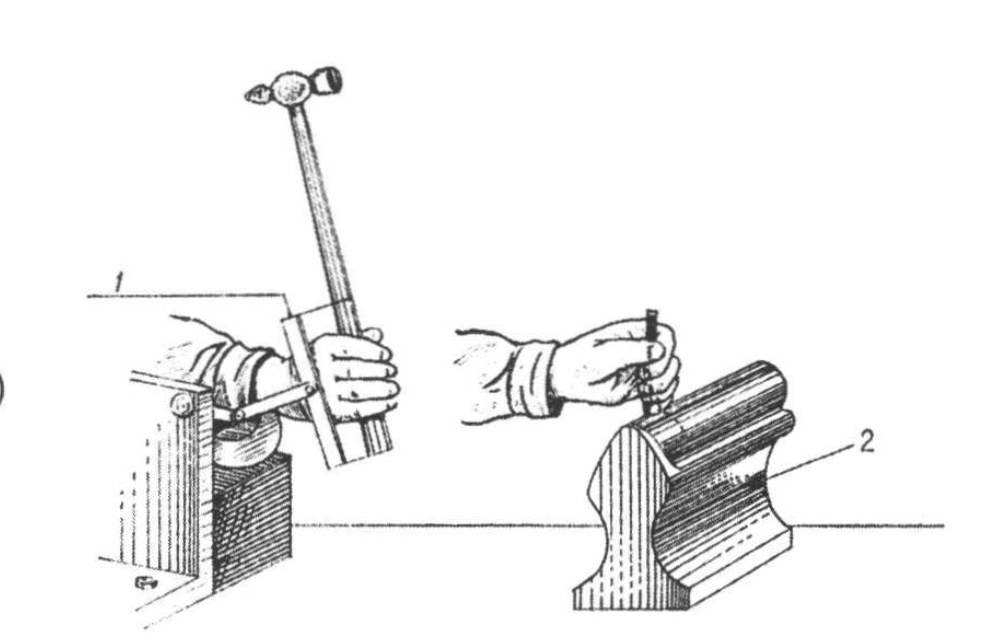
These technologies also shape our minds. We take our smartphones for granted, to the point that they do not appear in our dreams. They change our opinions, they shorten our attention spans, they distort our perspectives. Even simple, non-electronic tools can change the way people think. This effect was discussed by Wladimir Velminski in his book Homo Sovieticus, which covered a history of Soviet attempts at manipulating human intelligence. Velminski discusses a sort of working aid equipment with no electronics, saying:
“Gastev’s contrivance for optimizing hammer use, with its seemingly prosthetic quality, implies that the New Man of contemporary discourse should not be viewed as an ideal… the orthopedic apparatuses of the Russian constructionists mark the point of intersection between the integral body and incomplete body… Gastev’s invention was not a common prosthesis, nor did it in place only the body. It served as a template for setting the mind… the worker is supposed to be calibrated.”
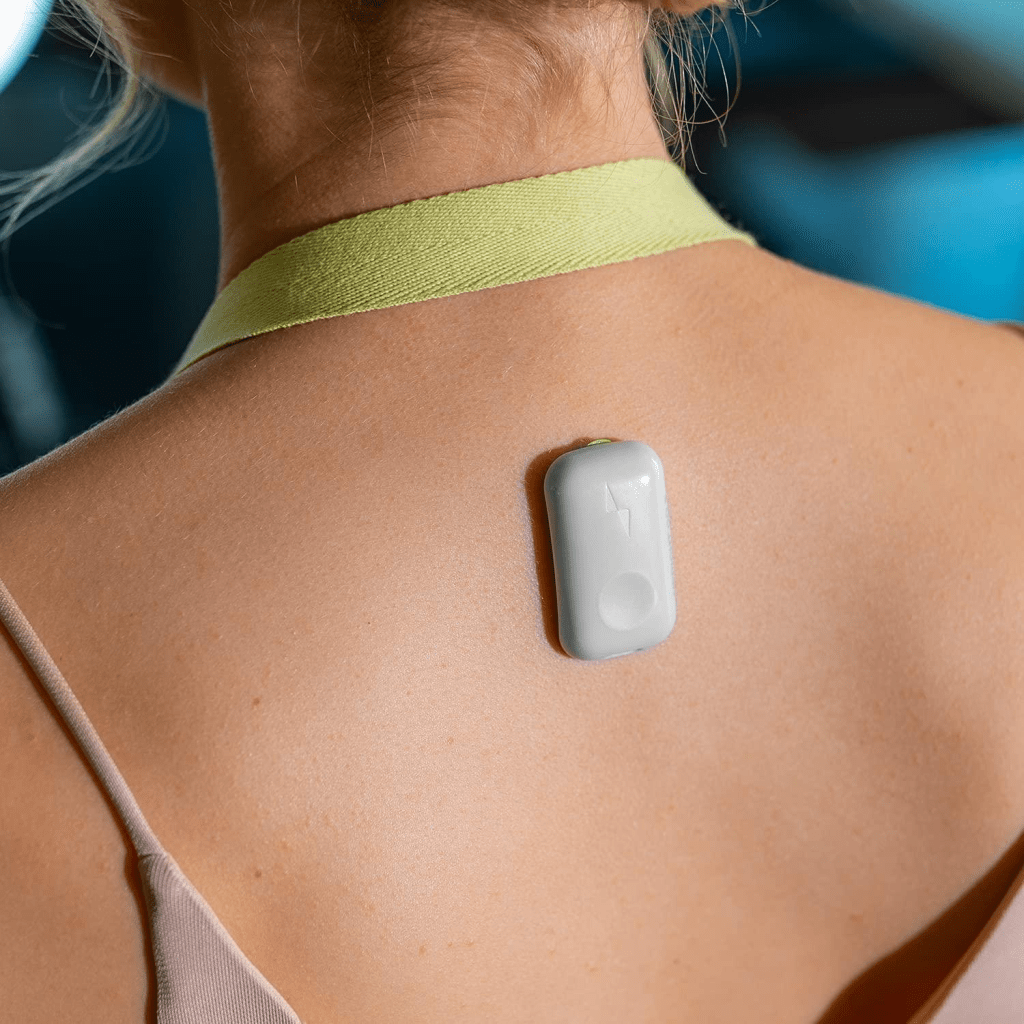
A more modern analogue might be a posture training device that vibrates unpleasantly when someone slouches (drawing from personal experience). The goal of the device is not to have the user wear the device all the time, but to use the device to train the user to have good posture- it is a device that operates by changing its user, to change the user’s capabilities.
With all this, I’m not saying that people should plunge headlong into random body modifications or accept transhumanist rhetoric wherever it is present. Instead, I think it’s important to consider the implications that transhumanist thinking has on more conventional experiences.
Many transhumanists focus on brain uploading as one of their main goals. This is understandable, since immortality is a classic thing-that-people-want, but their methods are interesting. The LifeNaut project and Ray Kurzweil’s posthumous brain uploading project both work by learning a lot about somebody to emulate them. With a high degree of fidelity, these people can be “resurrected”.
I think that this process is sort of something that everyone does, naturally, to everyone around them. I might emulate my boss, to figure out exactly how much I can slack off, or my friends, to see what thing they might want to do, or what joke will land, or how I can make them happy (or how I think they’ll make me happy). And, conveniently, we gather the most information about the people that are closest to us.
In this light, I sometimes take comfort in the fact that I have a limited, inaccurate version of my deceased loved ones, that I can consult at any time. It’s not quite immortality, but as long as someone loves us, something a lot like us will remain.
 J. E. Landau
Leave a comment